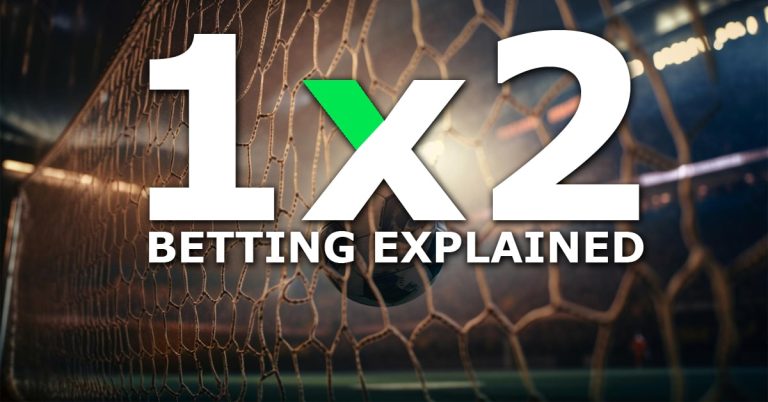
A draw in football (soccer) betting means the match ends with both teams scoring the same number of goals — most commonly 0-0, 1-1, or 2-2. It is one of the three primary outcomes in 1X2 betting (home win, draw, away win) and often carries higher odds than a favourite’s win because draws occur less frequently than decisive results in many leagues.
What Exactly Is a Draw Bet?
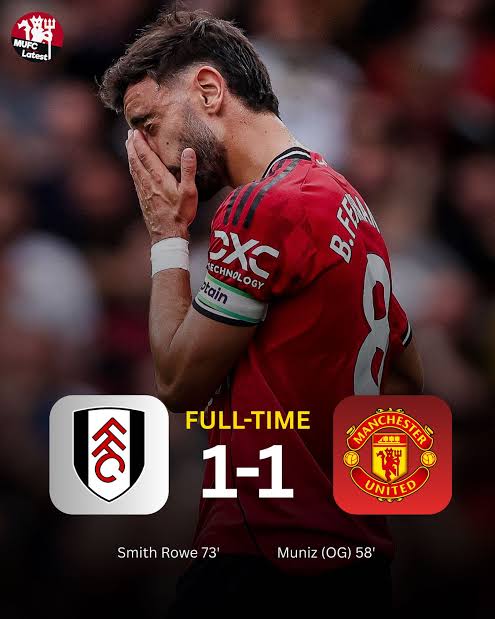
In the standard Match Result / 1X2 market:
- 1 = Home team wins
- X = Draw
- 2 = Away team wins
Selecting “X” means you win only if the final score is level after 90 minutes (plus stoppage time). Extra time and penalties do not count in regular 1X2 markets unless the bet is explicitly for a tournament that includes them or you have selected a different market.
Draws are statistically common. Across top European leagues, roughly 25–28% of matches end level, though this varies by competition, style of play, and season. Lower-scoring leagues and tightly matched mid-table games tend to produce more draws.
Main Types of Draw-Related Bets
Young bettors should understand the different ways to bet on or around draws:
- Straight Draw (1X2 X): Purest form. You need an exact level score at full time.
- Double Chance (1X or X2): Covers a draw plus one team. Lower odds but higher probability.
- Draw No Bet: If the match draws, your stake is refunded. Effectively removes the draw risk while still offering a win on your selected team.
- Both Teams to Score + Draw / Correct Score: More specific (e.g., 1-1 or 2-2). Higher odds, lower hit rate.
- Half-Time Draw / Full-Time Draw: Separate markets for the first half ending level or the whole match ending level.
- Asian Handicap 0 (or “Draw No Bet” style lines): Closely related; a level result usually returns the stake.
Correct-score markets that focus on draws (0-0, 1-1, 2-2) are popular among more experienced bettors because the odds are attractive, but they require sharper analysis.
How Odds on Draws Typically Work
Bookmakers price draws based on expected goal totals, team strength, recent form, head-to-head history, and market money. Favourites usually have short odds to win, so the draw sits in the middle (often between 3.00 and 4.50 in competitive matches). In very tight games the draw can drift shorter; in mismatch games it lengthens.
Implied probability example: odds of 3.40 on a draw suggest the bookmaker’s rough assessment is around 29% chance (before their margin). Always compare odds across multiple bookmakers — even small differences compound over time.
Practical Factors That Influence Draws
- Low-scoring teams and defensive styles: Teams that prioritise structure over open play produce more 0-0 and 1-1 results.
- Derbies and high-stakes matches: Caution often increases, raising the chance of a stalemate.
- Weather and pitch conditions: Heavy rain or poor surfaces can suppress goals.
- Motivation and table position: Mid-table sides with little to play for, or teams already safe/relegated, frequently settle for draws.
- Home advantage is weaker in some leagues: This can tilt more games toward the middle result.
- Recent form and xG (expected goals) data: Teams consistently underperforming or overperforming their xG can signal regression that favours draws.
Tips for Young Bettors Looking at Draws
- Study leagues and teams with historically higher draw percentages rather than chasing random “lucky” games.
- Look at head-to-head records and average goals in previous meetings.
- Pay attention to team news: missing key attackers or a strong defensive unit both tilt toward fewer goals.
- Avoid over-relying on “obvious” draws just because two mid-table sides are playing. Market prices already reflect a lot of public information.
- Consider combining a draw with Both Teams to Score (BTTS Yes + Draw) only when the data supports goals from both sides but a winner still looks unlikely.
- Keep stakes small and consistent. Draws can run in streaks of no hits; bankroll management matters more than any single tip.
- Track your results honestly. Many recreational bettors overestimate how often draws “should” occur.
Risks and Responsible Approach
Betting on draws is not a shortcut to profit. Bookmakers build a margin into every market, and variance is high. Young bettors in particular should treat this as entertainment with money they can afford to lose, never as income or a way to recover losses. Set strict limits on time and money, never chase, and step away if it stops being fun. Most jurisdictions require you to be of legal age — follow the law where you live.
Common mistakes include:
- Betting draws purely because “it feels due”
- Ignoring team motivation and squad rotation
- Taking short odds on heavy favourites’ matches just because the draw price looks big
- Failing to shop for the best available odds
Final Perspective
A draw is simply one of three possible results, not a special “safe” or “value” outcome by default. The best approach is the same as for any market: gather reliable information (form, injuries, tactical match-ups, statistical trends), compare prices, size your bets sensibly, and accept that even well-researched selections will lose more often than they win. Over time, disciplined selection and bankroll control matter far more than any single type of bet.
Focus on understanding the game first. The betting markets will still be there when you have a clearer picture of when a level score is genuinely more likely than the price suggests.