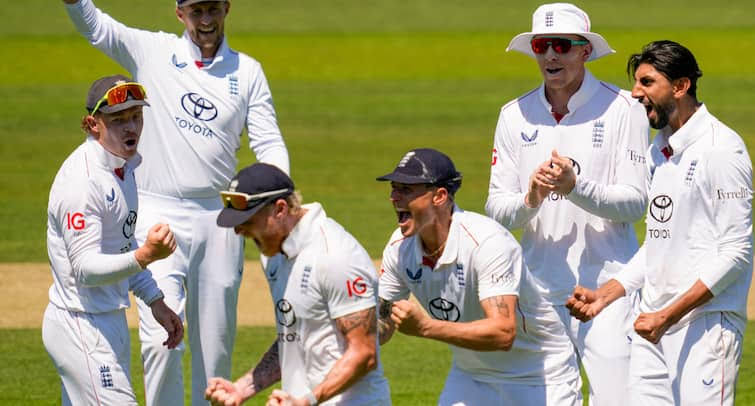
What is Player Strike Rate in Cricket?
The strike rate (SR) measures how quickly a batsman scores runs. It is calculated as:Strike Rate=(Balls FacedRuns Scored)×100
For example, if a player scores 50 runs off 25 balls:SR=(2550)×100=200
A higher strike rate indicates aggressive scoring, while a lower strike rate suggests a more cautious or defensive approach.
Why Strike Rate Matters in Cricket Betting
In sports betting, knowing a player’s strike rate can be a game-changer. Here’s why:
- Predicting Quick Runs – High SR players are more likely to score rapid runs, crucial in T20 or last-over scenarios.
- Total Runs Bets – If betting on a player’s total runs, strike rate can help predict the pace at which runs may come.
- Live Betting Opportunities – During live matches, monitoring strike rate trends can indicate momentum shifts and potential high-scoring overs.
- Fantasy Cricket Decisions – Strike rate often influences fantasy points, affecting fantasy cricket betting.
Types of Strike Rate Betting Options
1. Player to Score 20, 30, 50+ Runs
Betting platforms often offer markets based on a player’s performance in a match. A player with a historically high strike rate is more likely to reach these milestones quickly.
2. Player Runs in Specific Overs
Some bookmakers allow bets on runs scored in particular segments, such as the first 6 overs or last 5 overs. A high strike rate increases the chance of winning these bets.
3. Head-to-Head Player Performance
Strike rate can help determine which batsman is more likely to outperform another in the same match.
Examples of Strike Rate Betting in Action
Example 1:
Player A has an average SR of 150 in T20 matches. The betting option is “Player A to score 30+ runs in the first 5 overs.”
- A high strike rate suggests Player A can score quickly and cover 30+ runs in fewer balls, increasing your chances of winning the bet.
Example 2:
Player B has a strike rate of 80 in ODIs. You bet on Player B to score more than 40 runs in the middle overs.
- Since the SR is moderate, Player B may take more time to reach 40 runs, making this bet riskier in a limited overs scenario.
Betting Tips Using Player Strike Rate
- Check Recent Form – Always consider the player’s recent strike rate rather than historical averages. A dip in form can affect results.
- Match Format Matters – T20 favors aggressive batsmen with high strike rates, while ODIs and Tests reward consistency over speed.
- Pitch and Conditions – Flat pitches favor high SR, while bowler-friendly conditions may lower the expected strike rate.
- Opposition Analysis – Strike rate against specific teams or bowlers can indicate potential performance.
- Live Betting Adjustments – Monitor strike rate during the game to adjust live bets or hedge positions.
Common Mistakes to Avoid
- Ignoring the strike rate trend in recent matches.
- Betting solely based on career SR without considering conditions.
- Assuming a high SR guarantees runs – consistency and match situation matter.
Conclusion
Understanding player strike rate in cricket gives bettors a significant advantage, especially for T20 and ODI matches. By analyzing strike rate alongside other performance metrics and conditions, you can make smarter, data-driven betting decisions.
For consistent betting success: focus on recent form, match conditions, opposition, and format-specific trends. Combining these insights with strike rate data can boost your win probability in cricket betting markets.
Leave a Reply