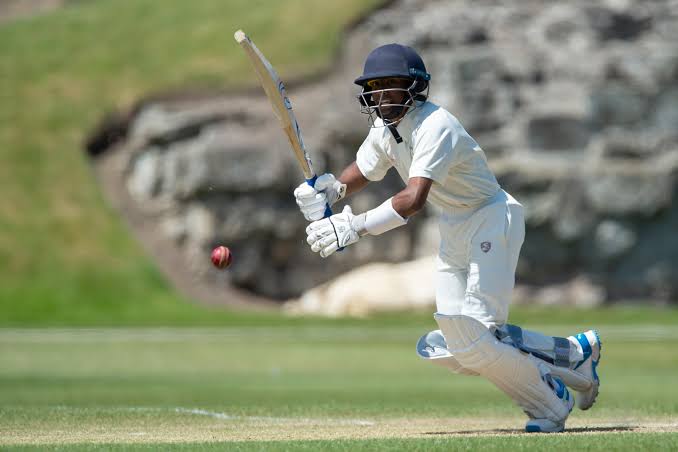
Alright — let’s break down “First Ball of Match” betting in cricket so it’s crystal clear, with concrete examples and useful betting tips.
1. What “First Ball of Match” Betting Means
This is a micro market in cricket betting where you wager on what will happen on the very first ball bowled in the match.
- It applies to the first legal delivery of the game.
- It can be offered in formats like T20, ODI, or Test cricket.
- Bookmakers list several possible outcomes for that one delivery.
2. Common Betting Options
Bookmakers can offer different variations, but the most common include:
| Option | Meaning |
|---|---|
| Dot Ball | No run scored (includes defensive shots, leaves, or hit to fielder without a run). |
| 1 Run | Batsmen complete a single run. |
| 2 Runs | Two runs completed. |
| 3 Runs | Three runs completed (rare). |
| 4 Runs | Boundary scored (ball reaches rope without bouncing more than once for four runs). |
| 6 Runs | Ball hit over boundary without touching ground for six runs. |
| Wicket | Any dismissal (bowled, caught, LBW, run out, stumped). |
| Wide Ball | Illegal delivery outside batsman’s reach — counts as an extra. |
| No Ball | Illegal delivery (overstepping crease, dangerous bowling) — free hit follows in limited overs. |
| Bye/Leg Bye | Runs scored without bat contact (off body or pads). |
3. Example Scenarios
Let’s say you bet “First Ball – Dot Ball” in a T20 match:
Example 1:
- Bowler delivers a good length ball.
- Batter defends to mid-off, no run.
- Your “Dot Ball” bet wins.
Example 2:
- Bowler bowls a wide first up.
- Your “Dot Ball” bet loses because it wasn’t a legal ball and doesn’t count as a dot.
Odds Example
Bookmaker might offer:
- Dot Ball – 1.60
- 1 Run – 4.50
- 4 Runs – 8.00
- Wicket – 10.00
- Wide – 6.50
If you stake $10 on Wicket @ 10.00 and it happens, you win $100.
4. Betting Tips for “First Ball of Match”
Here’s how to improve your chances:
- Research the Opening Bowlers
- Fast bowlers often start with good length balls outside off stump → more dots.
- Some aggressive bowlers bowl short or full to intimidate → possible boundaries.
- Know the Opening Batsmen’s Style
- Defensive openers (e.g., in Test cricket) → higher chance of dot.
- Aggressive openers in T20 (e.g., Chris Gayle, David Warner) → more chance of 4/6.
- Pitch & Ground Conditions
- Swing-friendly pitches → chance of wicket or defensive play.
- Flat batting tracks → chance of runs/boundaries.
- Format Matters
- Test matches: High dot-ball probability.
- ODIs: Slightly more aggressive but still safe starts.
- T20s: Higher chance of boundaries or quick singles.
- Weather & Match Pressure
- Cloud cover may help bowlers get early wickets.
- In big finals, batters might start cautiously.
5. Quick Probability Insight
Historically (T20 matches):
- Dot Ball on first delivery → ~65–70%
- 1 Run → ~15%
- 4 Runs → ~8%
- Wicket → ~3–5%
- Others (wide, no-ball, 2/3 runs) → ~4–7%
If you like, I can make you a chart showing historical probabilities for first-ball outcomes across T20, ODI, and Test matches so you can see which bet is more likely in each format. That would make your decision-making easier.
Leave a Reply