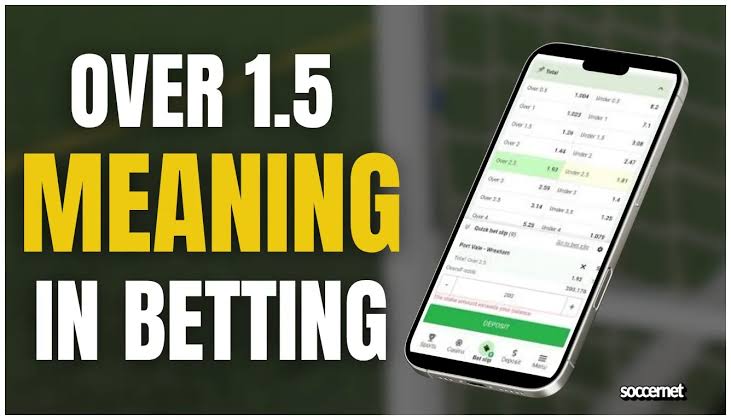
Home in Football Sports Betting: A Complete Guide for Young Bettors
In football (soccer) betting, “Home” is one of the most fundamental concepts you will encounter. Understanding it properly separates casual punters from those who approach the game with structure and discipline. This guide explains exactly what Home means, how it appears in different markets, why home advantage matters, and how young bettors can use the information intelligently — without falling into common traps.

What “Home” Actually Means
The Home team is the side playing at its own stadium. In almost every fixture list and betting interface, the home team is listed first:
- Manchester United vs Arsenal → Manchester United is Home
- Liverpool vs Chelsea → Liverpool is Home
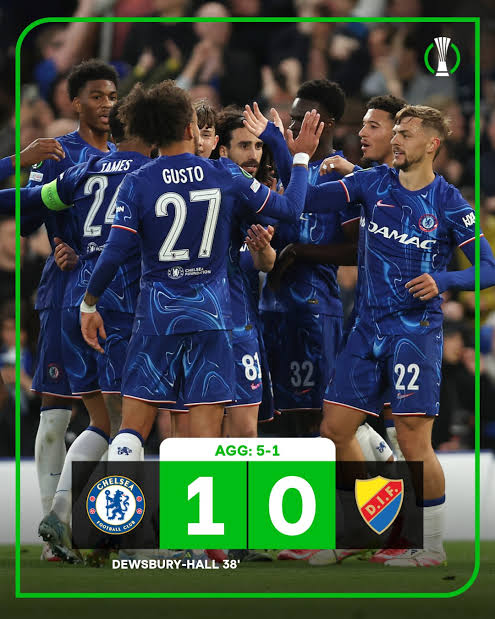
The opposite side is the Away team.
In the classic 1X2 (Match Result / Full-Time Result) market:
- 1 = Home win
- X = Draw
- 2 = Away win
When you back “Home” or “1”, you are betting that the team playing in front of its own fans will win the match after 90 minutes plus stoppage time. Extra time and penalties do not count in standard 1X2 markets unless the bookmaker specifically states otherwise.
Why Home Matters: The Reality of Home Advantage
Home advantage is real and measurable, but it is not magic and it is not automatic. Across large samples of matches:
- Home teams win roughly 43–47% of games in major European leagues.
- Away teams win around 27–31%.
- Draws account for the remaining 24–28%.
Home sides also tend to score more goals (typically around 1.5 per game versus 1.2 for away teams) and concede fewer. The size of the advantage varies by league, atmosphere, travel distance, and even the specific stadium. Some clubs are markedly stronger at home than their overall table position suggests; others perform almost the same whether they are home or away.
For young bettors, the key lesson is simple: never back a team just because it is playing at home. Bookmakers already price home advantage into the odds. Your job is to decide whether the price still offers value after that adjustment.
Common “Home” Betting Markets Explained
1. Straight Home Win (1)
The most basic selection. The home team must win the match. A draw or away win loses the bet.
2. Home Double Chance (1X)
The home team either wins or draws. Safer than a straight win, but the odds are shorter. Useful when you believe the home side is unlikely to lose but are not fully confident of a victory.
3. Home Team to Score / Home Goals
Markets focused only on the home team’s scoring:
- Home Team to Score (Yes/No)
- Over/Under Home Goals (e.g., Over 1.5 Home Goals)
- Exact Home Goals
These ignore the final result. The home team can lose 3-2 and your “Home Team to Score” or “Over 1.5 Home Goals” bet still wins.
4. Home Win to Nil
The home team wins and keeps a clean sheet (1-0, 2-0, 3-0, etc.). Higher odds than a normal home win because two conditions must be met.
5. Home by X Goals / Winning Margin
Examples: Home by 2+, Home by 3+. You are betting the home team wins by at least that margin. Related to Asian Handicap lines such as Home -2.5.
6. Half-Time / Full-Time Markets (HT/FT)
These require you to predict the result at half-time and full-time. Popular Home-related options include:
- Home/Home — Home team leads at half-time and wins the match
- Home/Draw — Home leads at HT, match ends level
- Draw/Home — Level at HT, Home wins at FT
Home/Home usually offers better odds than a straight home win because the team must dominate from the start.
Practical Tips for Young Bettors
- Separate home and away form
Never look only at overall league position. Check how the home team performs at home and how the away team performs on the road. A mid-table side with an excellent home record against a high-flying team that struggles away can create value. - Look beyond the result
Examine expected goals (xG), shots, and possession splits at home versus away. Results can be noisy; underlying numbers are more stable. - Context is everything
- Strong home sides versus weak travellers in high-atmosphere stadiums often justify shorter prices.
- Top teams visiting poor home sides can still dominate regardless of venue.
- Midweek fixtures, travel fatigue, and fixture congestion can reduce or amplify home advantage.
- Avoid the “always back Home” trap
Blindly backing every home team is not a strategy. The market already knows home teams win more often. Profit comes from finding situations where the odds do not fully reflect the true probability. - Bankroll and discipline first
Treat betting as a long-term skill, not entertainment that must produce daily wins. Set a strict unit size (usually 1–2% of your bankroll), never chase losses, and keep detailed records. Young bettors who ignore this usually burn through money quickly. - Start simple
Master the 1X2 Home market and Home Double Chance before moving into more exotic Home Goals or HT/FT combinations. Complexity without understanding increases variance, not edge.
Responsible Betting Note
Football betting should never feel like a way to make easy money. Odds are designed so the bookmaker holds an edge over time. Only bet with money you can afford to lose, set clear limits, and step away if it stops being enjoyable. Resources such as GamCare, GambleAware, or your local equivalent exist for a reason — use them if needed.
Final Thoughts
“Home” is more than a label on a betting slip. It represents a statistical edge, a psychological factor, and a key variable in almost every serious betting model. Young bettors who learn to evaluate home advantage carefully, combine it with form, motivation, and price, and stay disciplined with their money put themselves in a far stronger position than those who simply click the shorter-priced home favourite every week.
Master the basics, respect the data, and treat every selection as a calculated decision rather than a hope. That approach will serve you far better than any single “sure thing” tip.